By: Rev. Dr. Paul Raybon
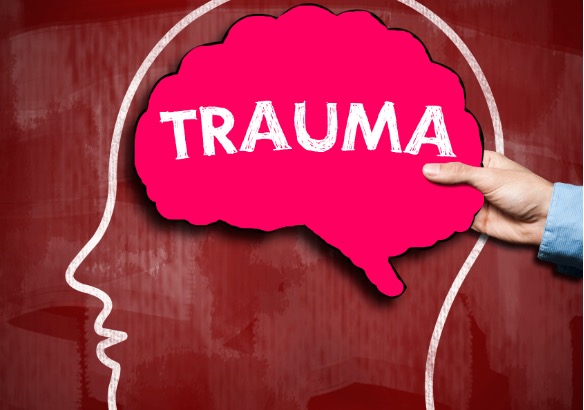
Ministers have a particular if not unique exposure to trauma. (Trauma is our body’s emergency response to an experience that overwhelms our normal coping mechanisms). Not only do we carry the bodily memory of our own private traumas, but we can also be traumatized directly and indirectly through our ministry.
Directly we can be traumatized when we are the first person on the scene or are called to be in the midst of a traumatic situation with others. We may be the person who discovers a parishioner who has died at home, or we might spend hours in an emergency room with people we love while the extent of a tragedy unfolds.
Indirectly we are witnesses to the traumatic pain of loss, death and grief when we hear the stories of the emotionally wounded. Their pain sears into our hearts even when we are not physically present. Both direct and indirect trauma are real, and both can affect our ministry.
One thing we can do to prepare ourselves for the impact of trauma is to take the time to create a personal trauma narrative. Start with a simple list of events that we remember as being traumatic life-disrupting painful experiences that were beyond our control, particularly those that created visceral bodily reactions. Once you have a list, go back and mark the ones that have the greatest ongoing impact with a “big T” and those that have seemed to fade with a “little t.”
You may want to put it aside for a while and then come back later and fill in some memorable details, not so much of what happened, but of how it affected you. If at any time. you begin to re-experience those feelings and physical responses, stop. It might be appropriate to explore your trauma with a trained counselor or therapist.
Even if you are not experiencing post-traumatic responses, this exercise of naming your traumas can be helpful in helping others navigate their trauma without conflating your experiences with theirs. Knowing our trauma narrative can enable us to identify times when our own trauma is getting in the way of helping others. If we are spending pastoral conversations internally reliving our own trauma, we are helping neither of us.
For this and more information on trauma, see Dr. Karen McClintock’s book Trauma-Informed Pastoral Care
These thoughts are from Rev. Dr. Paul Raybon, our partner in ministry in the Western Carolinas, who can help you and your ministry navigate congregational identity, mission, and effectiveness. He is Co-Pastor at Hominy Baptist Church near Asheville, NC and works with churches and leaders as a coach and consultant in communication, visioning, administration, and spiritual formation. Contact him for more information about how he can help you.